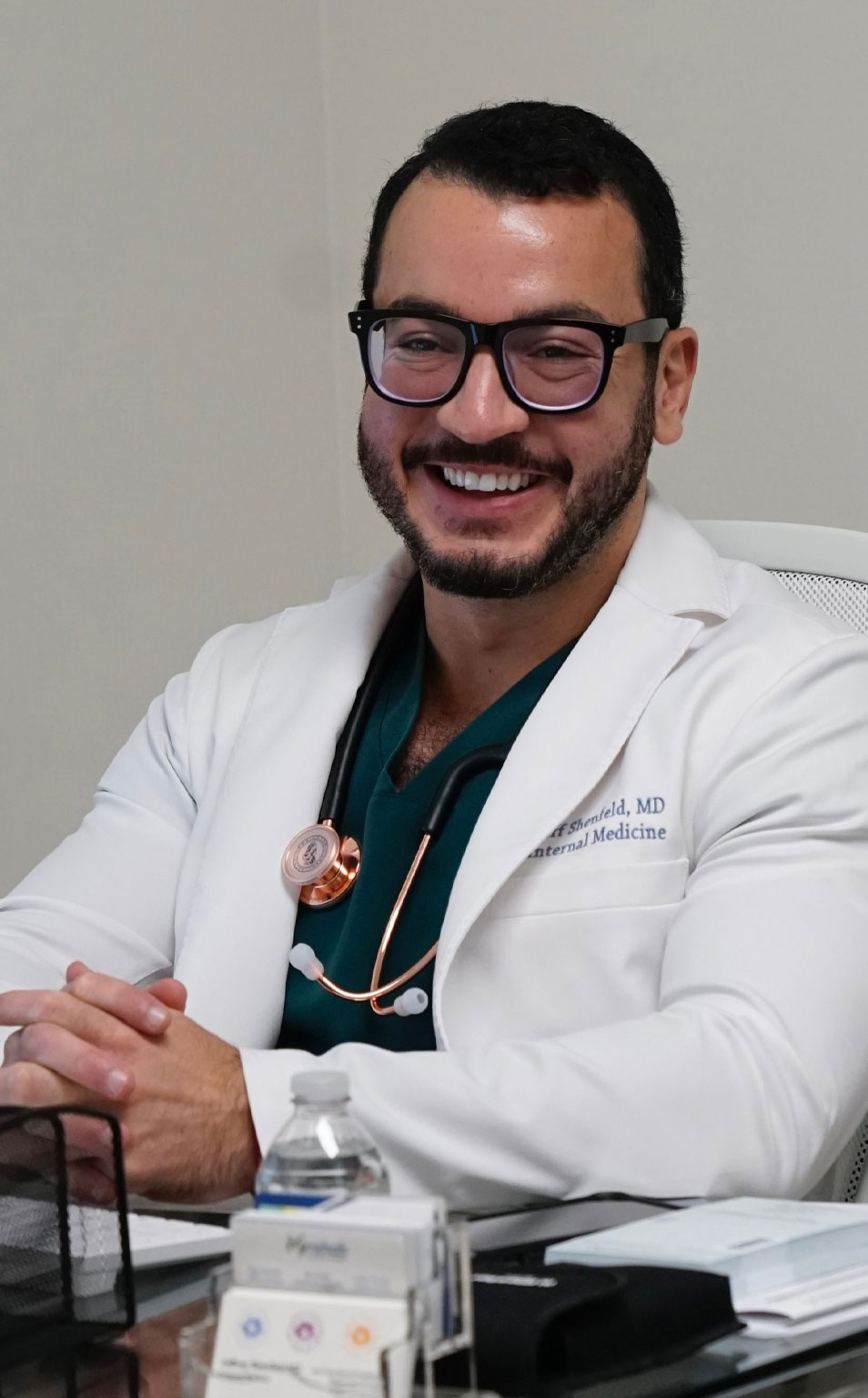
Internist, Medical Director
Dr. Jeffrey Shenfeld is the Medical Director of The Brain Health Center and an internal medicine physician. He focuses on early detection of memory loss and coordinated care for patients and families. Dr. Shenfeld speaks English, Spanish, Hebrew, Russian, Ukrainian and Polish. He sees patients in Englewood, NJ and Suffern, NY.
Learn More about Jeffrey Shenfeld, M.D.
Board-Certified Psychiatrist
Dr. Mona Ershadi is a board-certified psychiatrist at The Brain Health Center. She treats depression, anxiety, OCD, PTSD and bipolar disorder, along with neurocognitive disorders such as Alzheimer's disease. Dr. Ershadi trained at New York Medical College and has more than 15 years of clinical experience. She sees patients in Englewood, NJ and Suffern, NY.
Learn More about Mona Ershadi, M.D.
Board-Certified Neurologist
Dr. Michael Heublum is a board-certified neurologist at The Brain Health Center in Englewood, NJ. He evaluates memory loss, dizziness and other neurological concerns. Dr. Heublum earned his medical degree at SUNY Downstate, trained in neurology at Mount Sinai Hospital and completed a neuromuscular fellowship at the University of Michigan.
Learn More about Michael Heublum, M.D.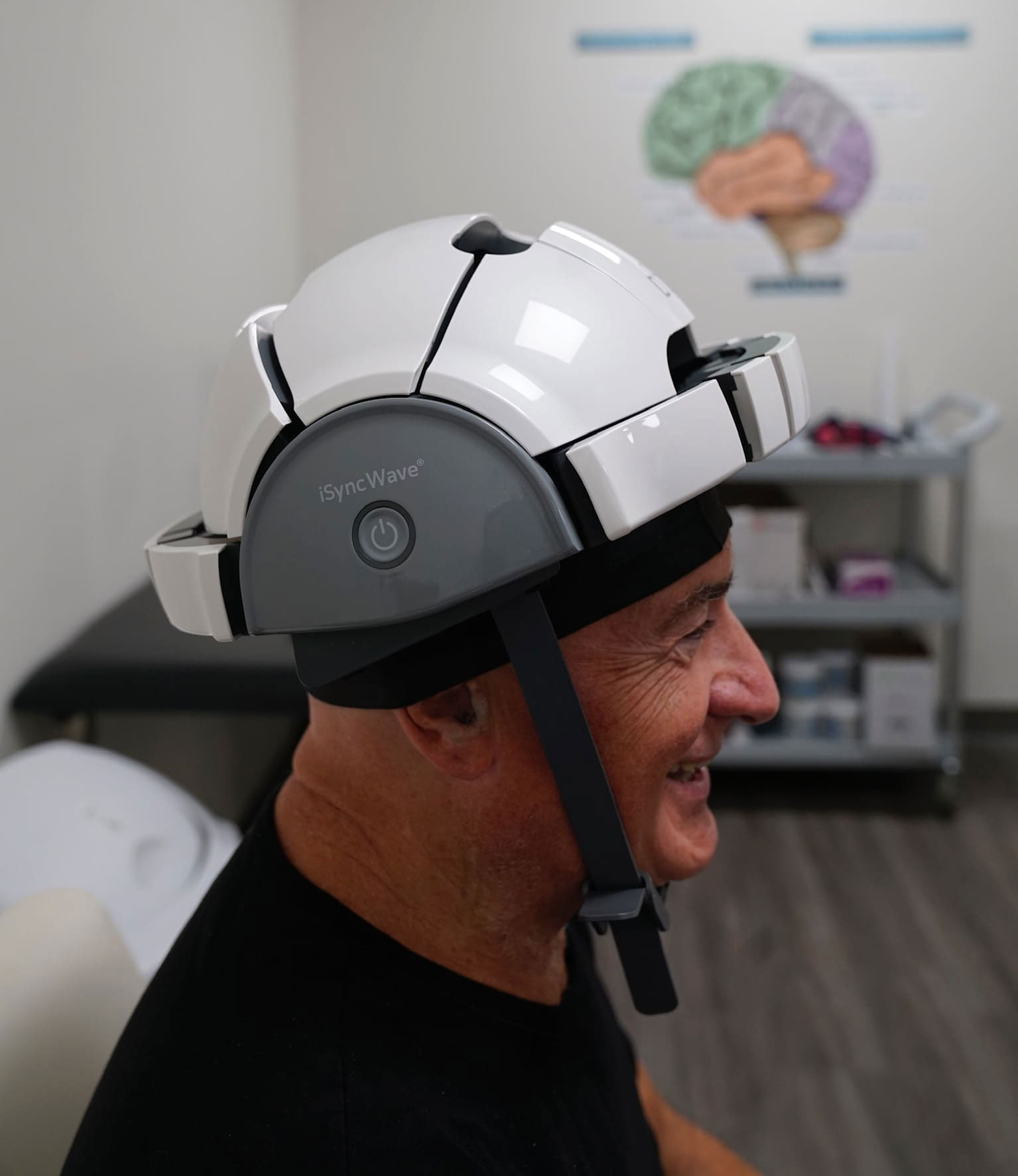
A mental status assessment is a comprehensive clinical evaluation used to examine key aspects of a person’s cognitive, behavioral, and emotional functioning. These assessments provide crucial insight into how the brain is working and are a fundamental tool in identifying changes that may indicate neurological or psychiatric conditions.
Learn More about Mental Status Assessment
At the Brain Health Center, your progress is our priority. Throughout the entire course of your treatment, we carefully monitor your response to therapy to ensure you are receiving the maximum benefit. Progress monitoring is an essential part of the TMS process, as it allows us to tailor your care in real time and address any concerns as they arise. Our clinical team remains engaged and attentive, creating a supportive environment where your feedback matters and your results guide our decisions.
Learn More about Progress Monitoring and Adjustments
If you or someone you love is repeating questions, misplacing things or struggling with names, a careful evaluation can show what is behind the change. Our neurologist and Medical Director use cognitive testing, blood tests, brain imaging and genetic testing when they are appropriate for you.
Learn More about Neurological Evaluation (Memory)
Your care doesn’t end when your initial treatment cycle is complete—at the Brain Health Center, we’re committed to supporting your long-term wellness every step of the way. Once you’ve completed your prescribed series of TMS sessions, we work with you to develop a personalized aftercare plan designed to sustain and build upon the progress you’ve made. Our goal is not only to help you feel better now but to give you the tools and resources to thrive in the future.
Learn More about Post-Treatment Support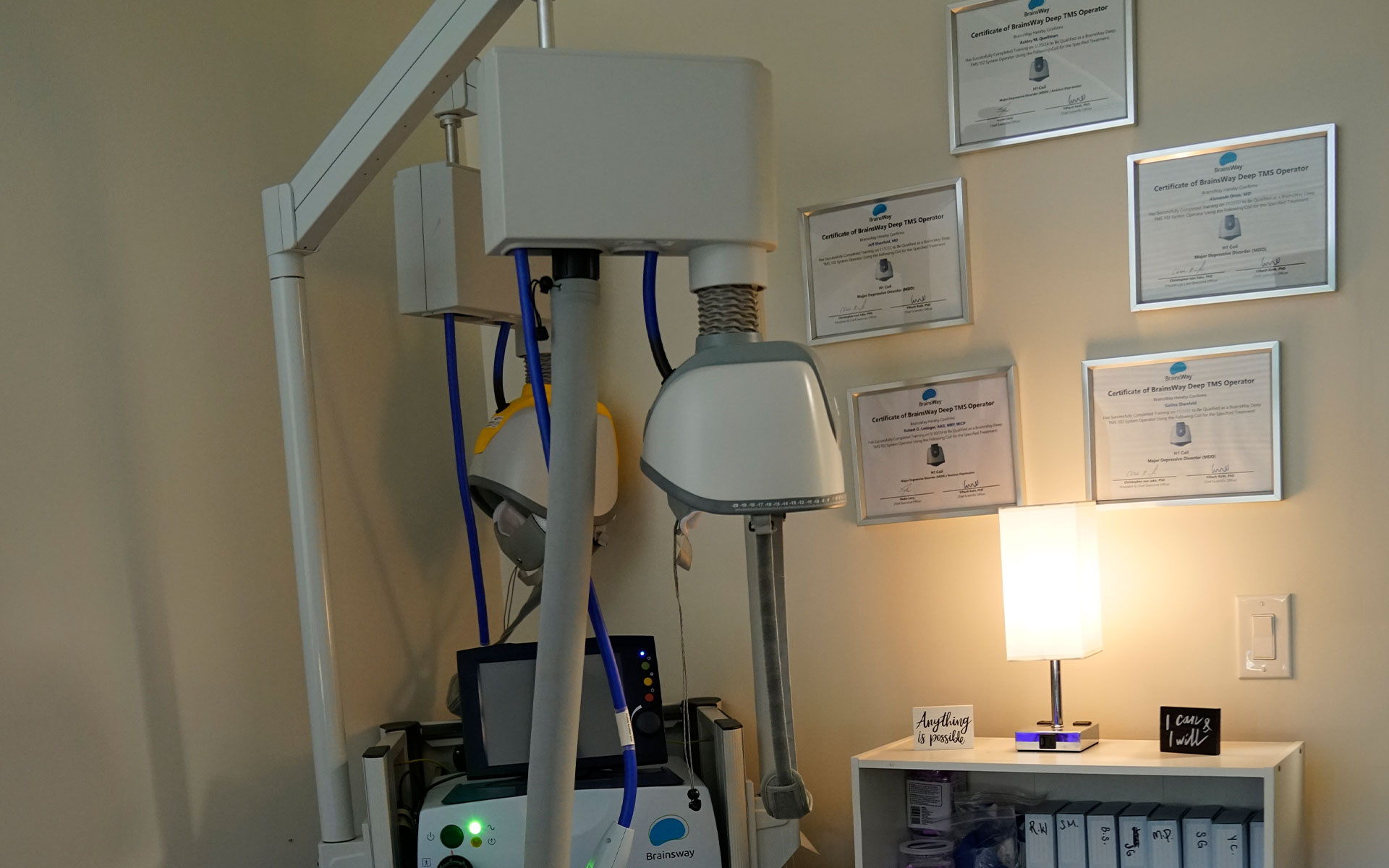
Before your first TMS session, your care team builds a plan around you. A personalized TMS treatment plan covers which condition is being treated, where in the brain the treatment is aimed, how strong the pulses are, and how often you come in. At The Brain Health Center in Englewood, NJ, the plan is guided by a board-certified psychiatrist and reviewed as you go.
Learn More about Personalized Treatment Planning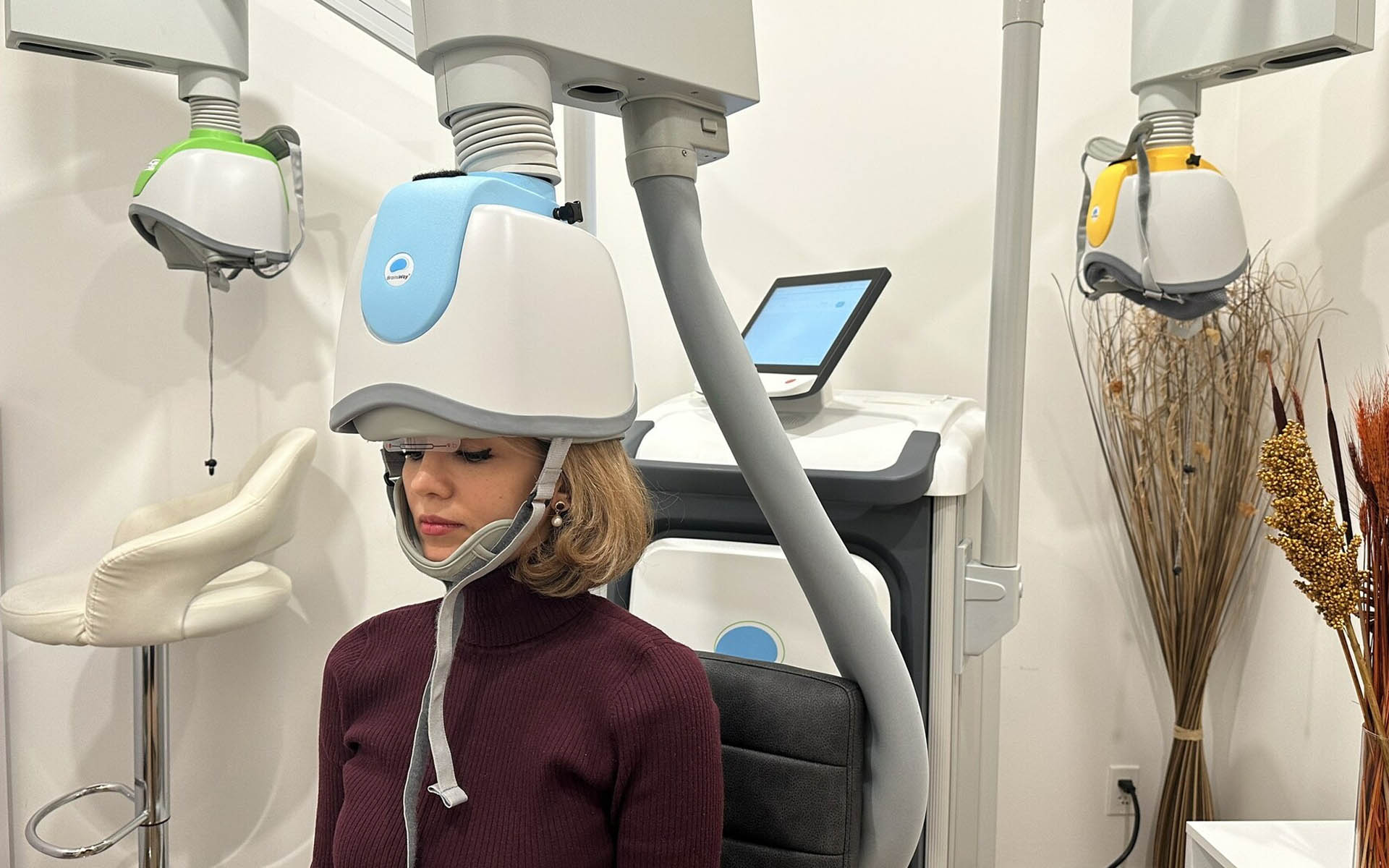
Transcranial magnetic stimulation (TMS) is a non-invasive treatment that uses magnetic pulses to stimulate areas of the brain linked to mood. It is FDA-cleared for major depression and for obsessive-compulsive disorder. Many people ask about it after medications have not given them enough relief.
Learn More about TMS Sessions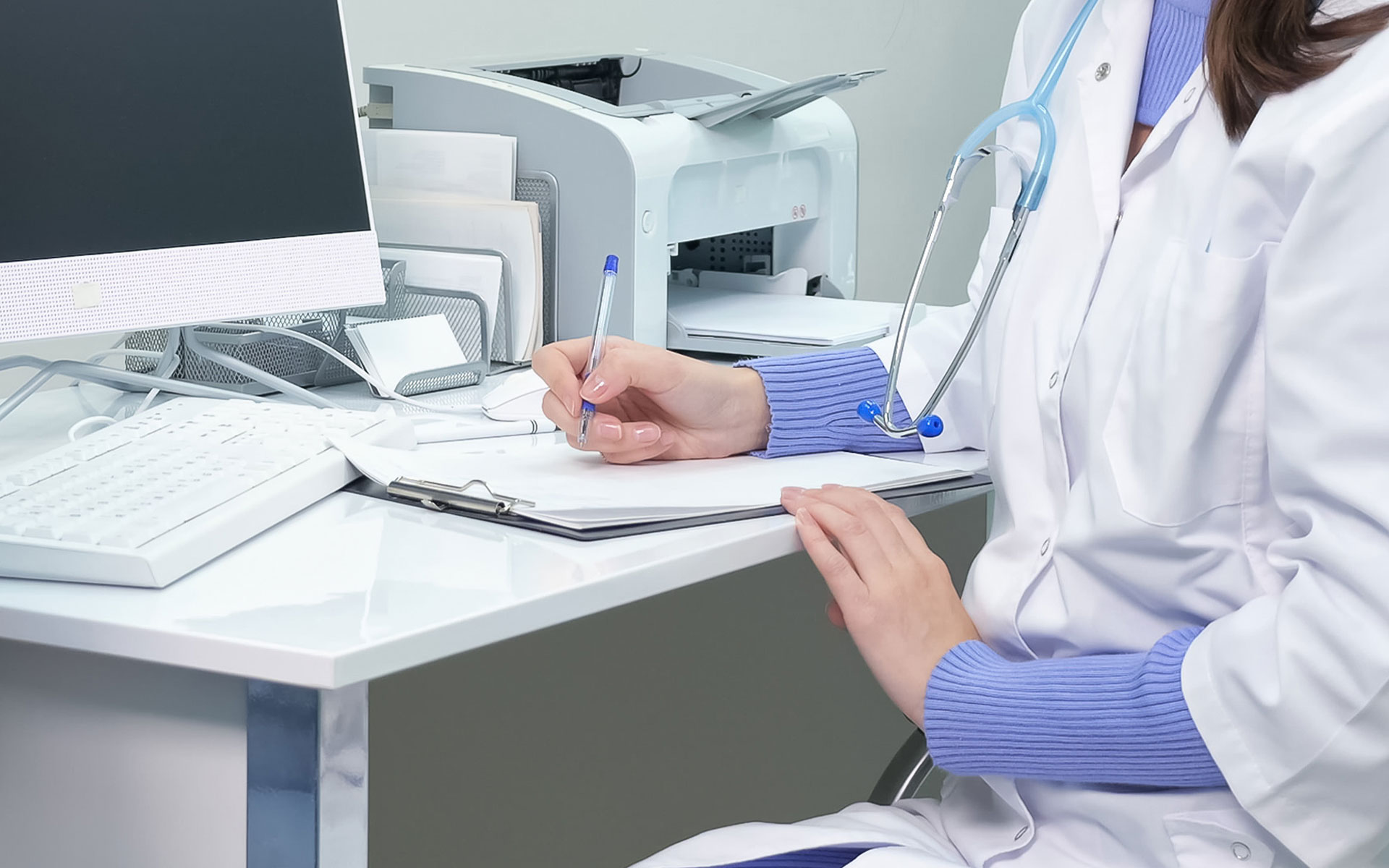
Before beginning treatment at the Brain Health Center, each patient undergoes a comprehensive evaluation designed to gain a full understanding of their mental health history and current needs. This initial consultation is conducted by a licensed mental health provider or psychiatrist who specializes in mood and anxiety disorders. Our goal is to create a safe, supportive space where patients feel heard and understood from the very first visit.
Learn More about Comprehensive Evaluation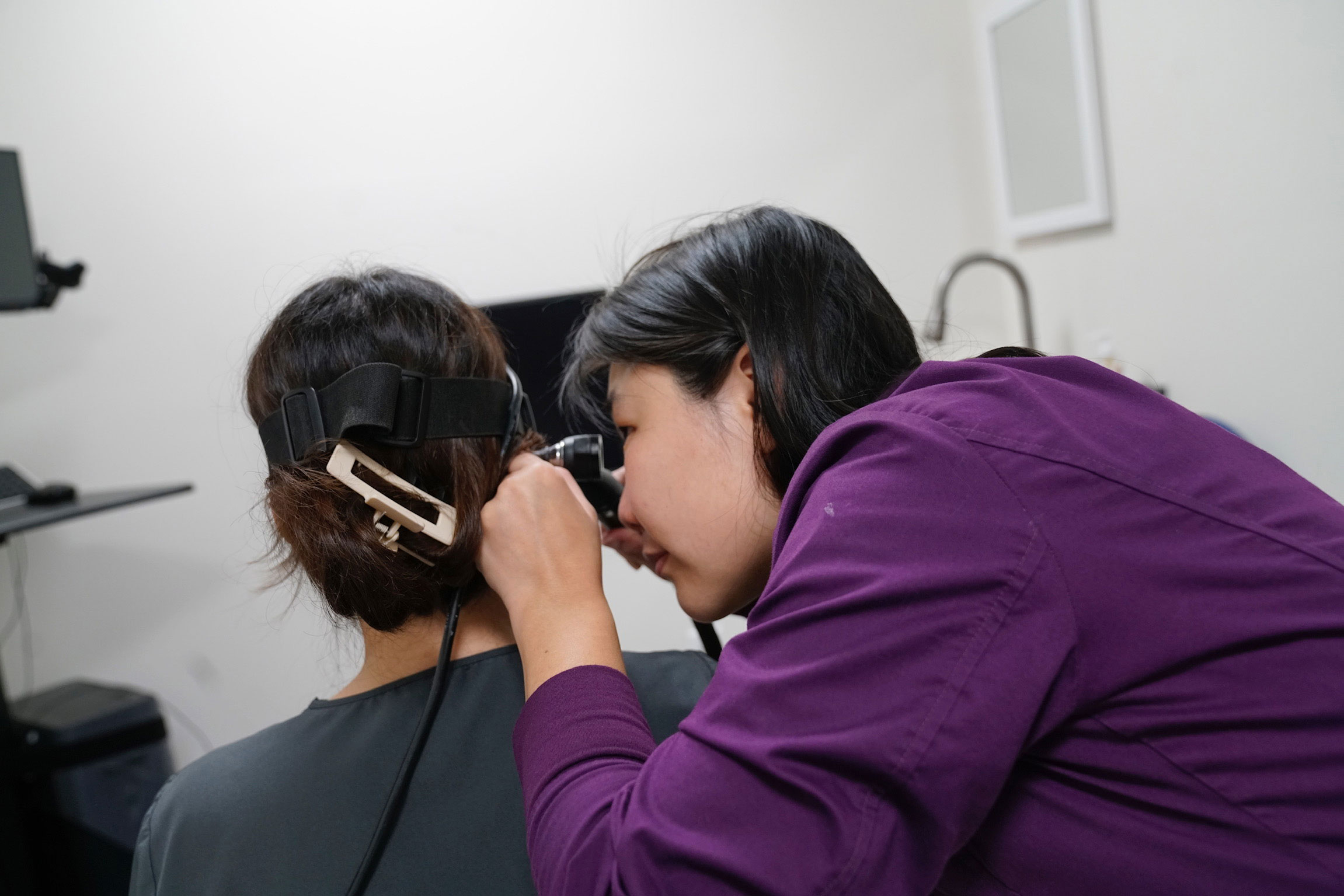
We offer comprehensive hearing evaluations designed to assess every aspect of your auditory health. Our advanced diagnostic approach includes a variety of non-invasive tests that allow us to accurately identify hearing loss, pinpoint its cause, and determine the most effective course of treatment. By combining multiple testing methods, we ensure a thorough evaluation tailored to your specific symptoms and concerns.
Learn More about Audiological Evaluation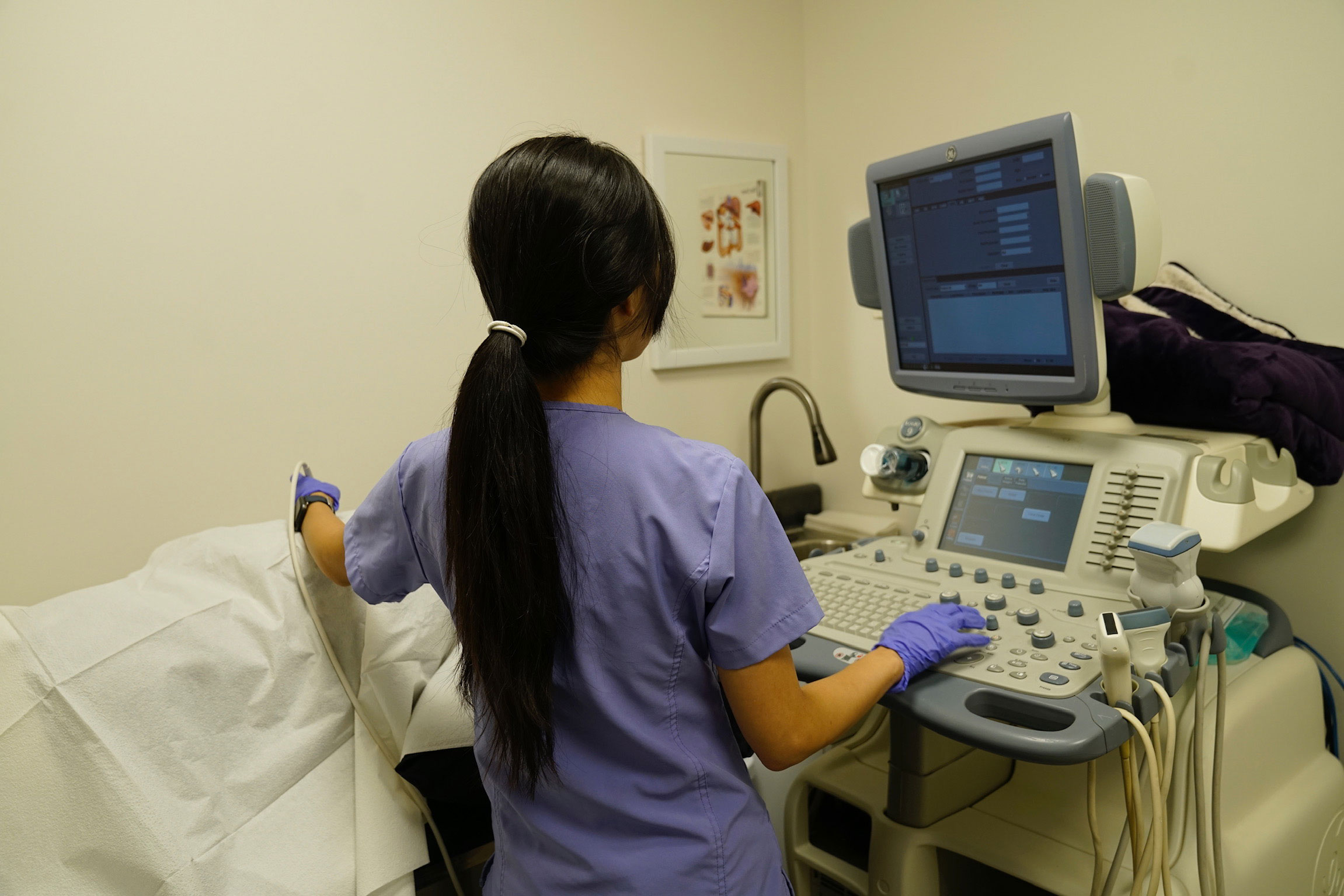
We offer specialized vascular and cardiac ultrasound evaluations as part of our diagnostic services. These non-invasive imaging procedures use high-frequency sound waves to generate real-time, detailed images of the heart, arteries, and veins. By visualizing blood flow and vessel structure, these ultrasounds provide essential insights into cardiovascular health without the need for radiation or surgical intervention.
Learn More about Ultrasounds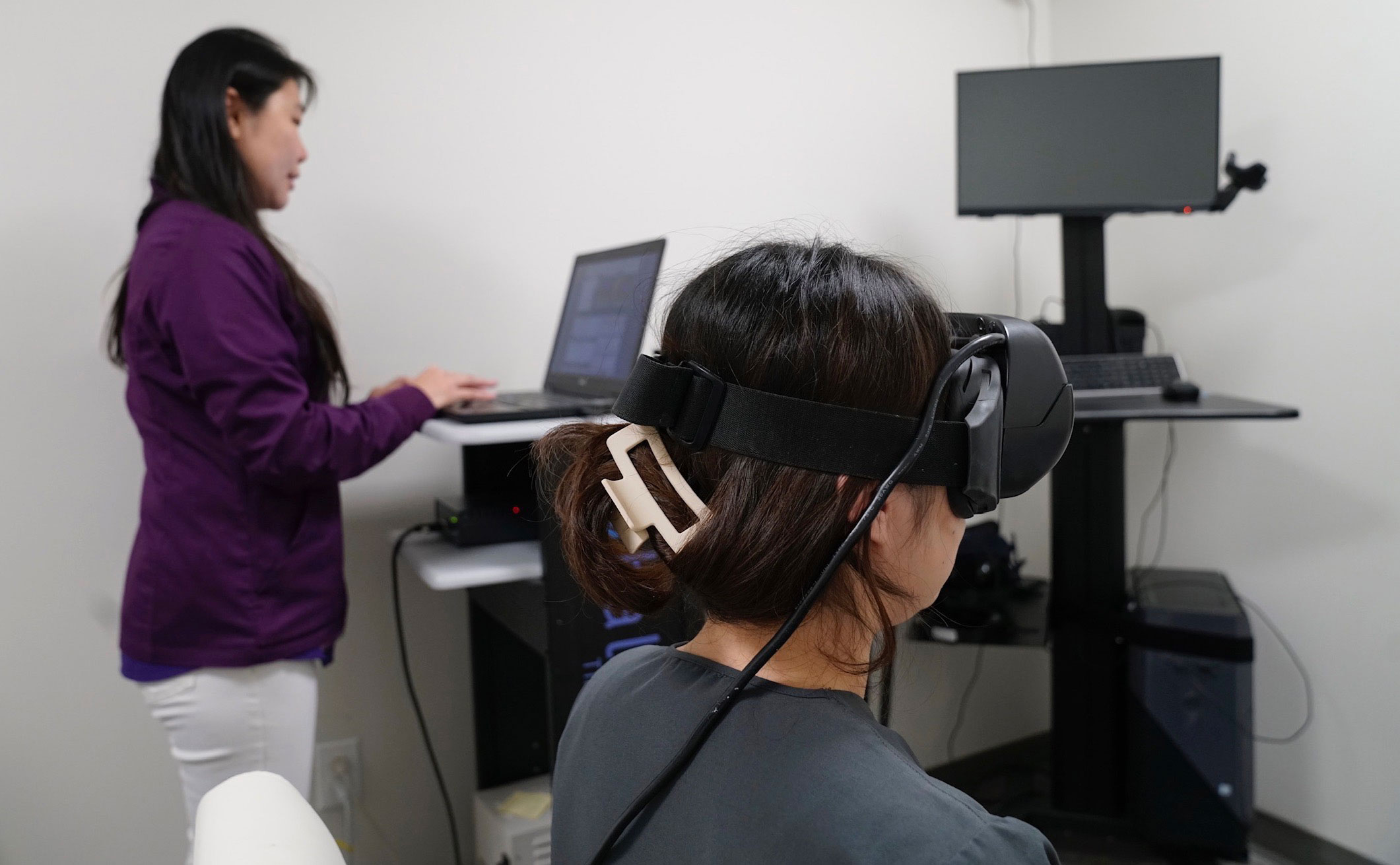
Dizziness, vertigo and unsteadiness have many possible causes, including the inner ear, the brain and blood pressure changes. Testing such as VNG and caloric testing helps narrow down the source so treatment can be matched to it.
Learn More about VNG/Calorics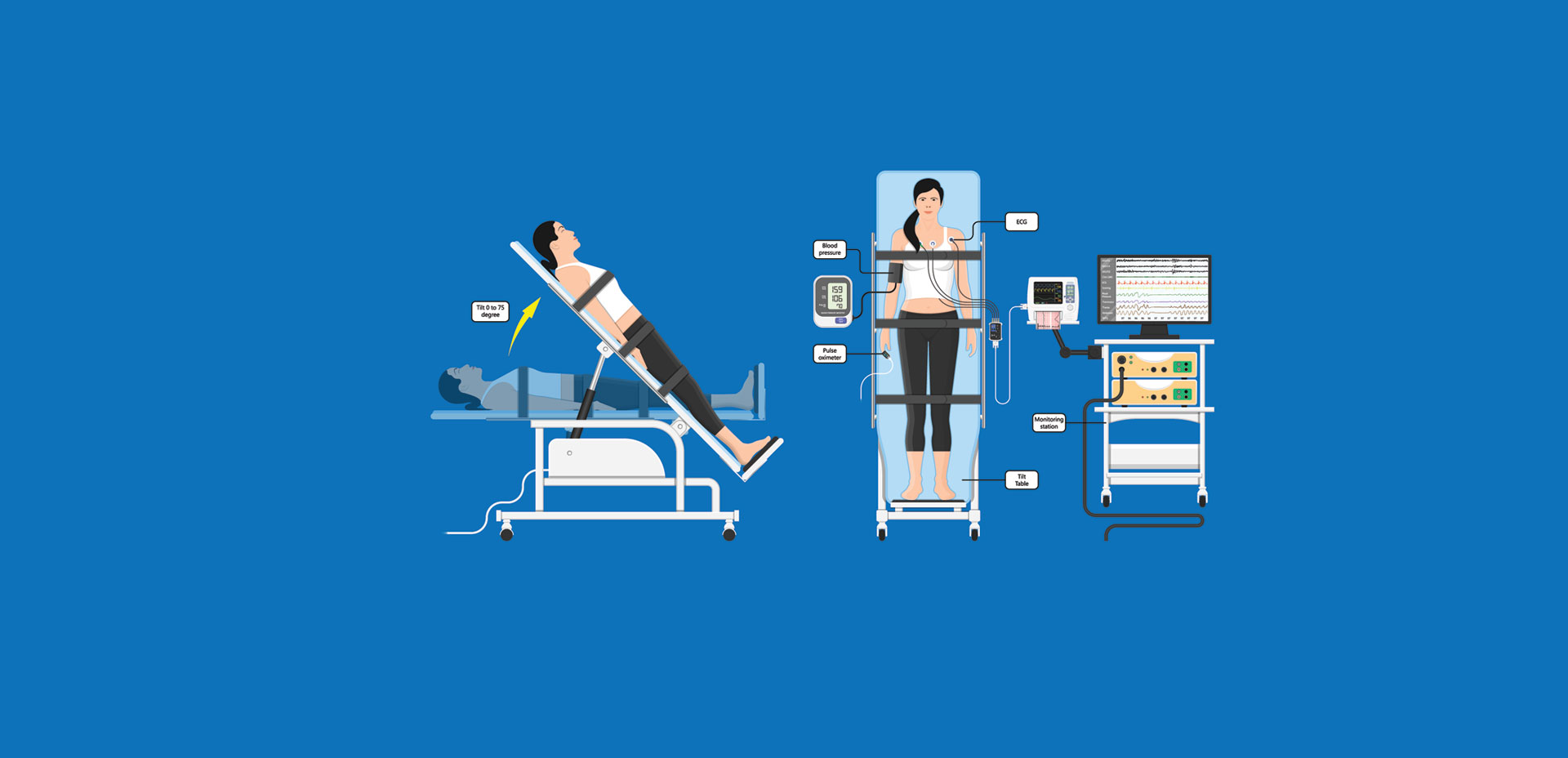
We provide Tilt Table Testing as part of our advanced diagnostic services to evaluate the function of the Autonomic Nervous System (ANS)—the system responsible for regulating vital, involuntary bodily functions such as heart rate, blood pressure, digestion, and body temperature. This specialized test is particularly useful in diagnosing unexplained fainting (syncope), dizziness, and other symptoms that may be related to autonomic dysfunction.
Learn More about Tilt Table and ANS
Electroencephalography (EEG) and home sleep testing kits are important diagnostic tools used to evaluate sleep disorders that may significantly affect cognitive function. Sleep plays a critical role in brain health, and growing research has linked poor sleep quality with memory loss, impaired concentration, and an increased risk of developing Alzheimer’s disease and other forms of dementia.
Learn More about Sleep Disorder Test
At The Brain Health Center, you can see a board-certified psychiatrist in Englewood, NJ and Suffern, NY for depression, anxiety, OCD and other mental health conditions. Dr. Mona Ershadi treats adults, and she works alongside our neurologist and Medical Director when mood, sleep, memory or dizziness overlap.
Learn More about Psychiatry
At the Brain Health Center, our mission is to provide compassionate, patient-centered, and comprehensive medical care to individuals experiencing dizziness, vertigo, imbalance, and related neurological symptoms. We understand how disruptive and unsettling these conditions can be, and we are committed to guiding each patient toward a clear diagnosis and effective treatment plan in a supportive and respectful environment.
Learn More about Neurological Evaluation (Balance)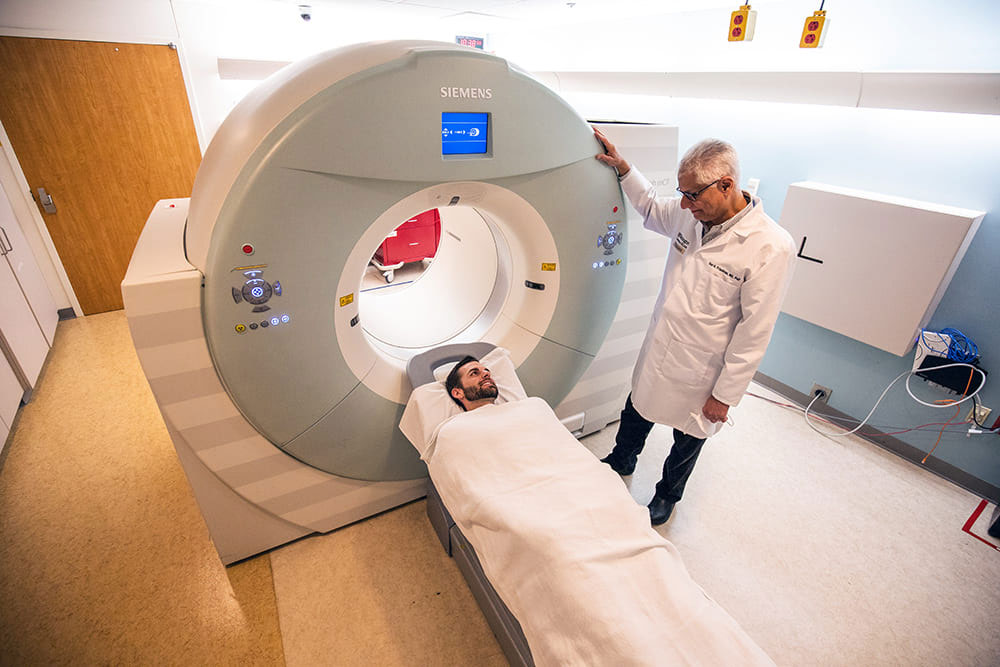
Brain imaging is one part of a dementia evaluation. An MRI shows the structure of the brain, and a PET scan shows how the brain is working or whether certain proteins are present. At The Brain Health Center in Englewood, NJ, our physicians order MRI and PET scans when they may help explain memory loss, and our staff coordinates the appointments for you.
Learn More about MRI/PET Scans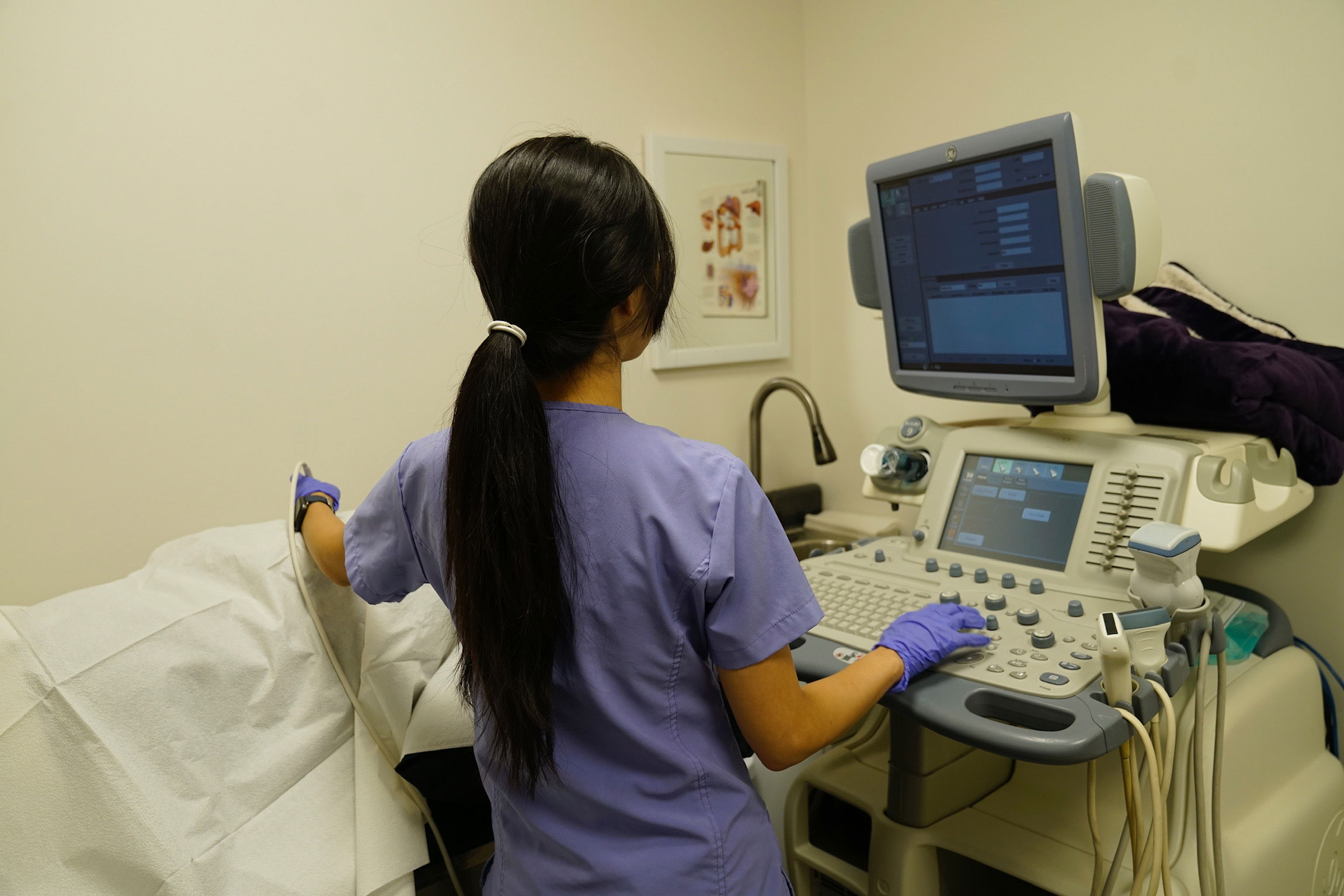
At the Brain Health Center, we use advanced imaging techniques to support the accurate diagnosis and management of memory loss and dementia. Among these, Transcranial Doppler (TCD) and carotid imaging are valuable, non-invasive tools that help us assess the vascular factors contributing to cognitive decline.
Learn More about Ultrasounds (Memory)
Genetic testing analyzes your DNA to identify variations that may increase your risk for specific diseases or medical conditions. In the context of neurological health, genetic testing can play a critical role in uncovering inherited factors that may contribute to memory loss, cognitive decline, or dementia-related conditions.
Learn More about Genetic Testing
Post-Traumatic Stress Disorder (PTSD) is a serious mental health condition that can develop after experiencing or witnessing a traumatic event, such as a natural disaster, military combat, serious accident, assault, or any event involving intense fear, helplessness, or horror. PTSD affects how the brain processes fear and stress, leading to ongoing psychological and physical symptoms that disrupt daily life. While therapy and medication are traditional options, Transcranial Magnetic Stimulation (TMS) offers a drug-free, non-invasive alternative that helps restore brain balance and reduce trauma-related symptoms.
Learn More about Post-Traumatic Stress Disorder (PTSD)
Anxiety disorders are among the most common mental health conditions, affecting millions of people worldwide. These disorders involve excessive and persistent fear, worry, or nervousness that interferes with daily life. Common types include Generalized Anxiety Disorder (GAD), Panic Disorder, and Social Anxiety Disorder. Though symptoms and severity may vary, all anxiety disorders can have a profound impact on emotional and physical well-being. For individuals who haven’t responded to conventional treatments like medication or therapy, Transcranial Magnetic Stimulation (TMS) offers a non-invasive, drug-free alternative that targets overactive areas of the brain involved in fear and stress response.
Learn More about Anxiety Disorders
Obsessive-Compulsive Disorder (OCD) is a chronic mental health condition marked by unwanted, intrusive thoughts (obsessions) and repetitive behaviors or mental rituals (compulsions) performed to relieve anxiety or prevent feared outcomes. These cycles can become time-consuming and distressing, interfering with daily functioning and quality of life. OCD is more than just a preference for cleanliness or order—it’s a serious condition that often requires targeted intervention. For individuals who have not found relief through traditional treatments, Transcranial Magnetic Stimulation (TMS) offers a promising, non-invasive alternative FDA-cleared for OCD with certain devices.
Learn More about Obsessive-Compulsive Disorder (OCD)
Lightheadedness is a sensation of feeling faint, unsteady, or as though you’re about to pass out. It’s often caused by reduced blood flow to the brain, dehydration, or other underlying health issues. While usually brief, it can be persistent and may signal a more serious condition. At our center, we take a personalized approach to diagnosing and treating lightheadedness, helping you regain your sense of stability and well-being.
Learn More about Lightheadedness
Falls are a significant concern, especially for older adults or individuals with balance issues. A fall can lead to injuries, reduced confidence, and even long-term health complications. At our center, we focus on understanding the underlying causes of falls—whether due to balance problems, muscle weakness, or neurological conditions—and offer personalized care to reduce risks and improve safety.
Learn More about Falls
Major Depressive Disorder (MDD) is a common and serious mood disorder that significantly impacts how individuals feel, think, and function in their daily lives. It is characterized by persistent sadness, a loss of interest or pleasure in previously enjoyed activities, low energy, difficulty sleeping or oversleeping, and feelings of hopelessness or worthlessness. When left untreated, MDD can interfere with work, relationships, and overall quality of life. Fortunately, effective treatments are available, including innovative therapies such as Transcranial Magnetic Stimulation (TMS).
Learn More about Major Depressive Disorder (MDD)
Dizziness is a common yet complex sensation that can significantly impact your quality of life. It can feel like the world is spinning (vertigo), a sense of unsteadiness, or a faint, lightheaded feeling. While dizziness itself is not a disease, it’s often a symptom of underlying issues, such as problems with the inner ear, blood flow, or neurological function. At the Brain Health Center, we understand how unsettling dizziness can be. That’s why we take a comprehensive, patient-centered approach to diagnose and treat the root causes of your symptoms, helping you regain your stability and confidence.
Learn More about Dizziness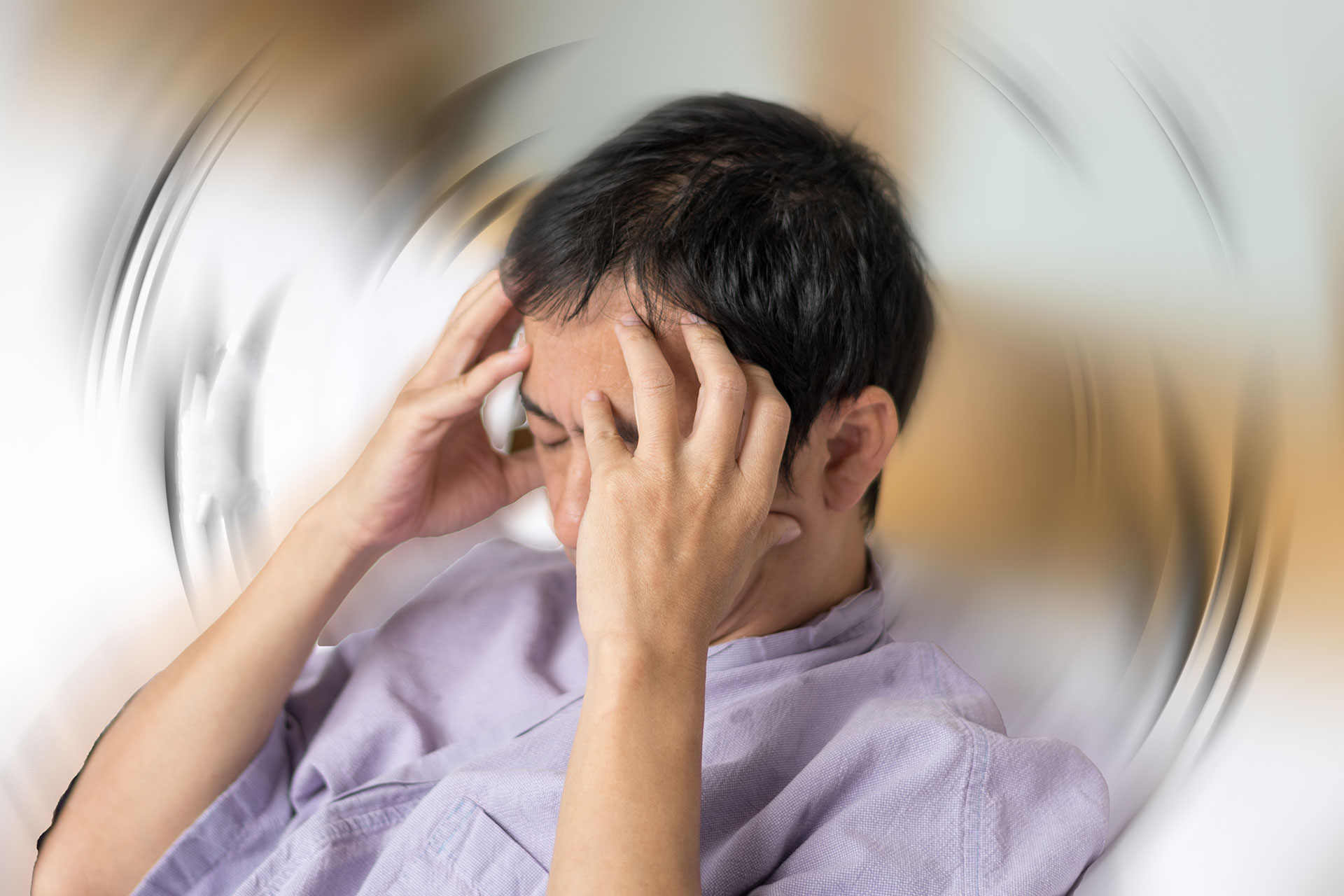
Vertigo is the unsettling sensation that either you or your surroundings are spinning, even when everything is still. Unlike general dizziness, vertigo often stems from specific issues with the inner ear or brain that affect balance and spatial orientation. It can disrupt daily activities and leave you feeling off-kilter. At our center, we specialize in identifying the underlying cause of vertigo and providing targeted treatments to help you regain your sense of stability.
Learn More about Vertigo
Mild Cognitive Impairment (MCI) is a condition characterized by noticeable changes in memory, thinking, or decision-making abilities that are greater than normal aging but not severe enough to interfere significantly with daily life. While some people with MCI may eventually develop dementia, others remain stable or even improve over time. Early detection and intervention can help manage symptoms and maintain quality of life.
Learn More about Mild Cognitive Impairment (MCI)
Cognitive decline and memory impairment are common concerns as people age, and they may also occur in younger individuals due to various medical or neurological conditions. These issues can range from occasional forgetfulness to more serious challenges such as Mild Cognitive Impairment (MCI) or early-stage dementia. These conditions can impact daily functioning, decision-making, focus, and overall independence. Transcranial Magnetic Stimulation (TMS) is an innovative, non-invasive therapy that has shown promise in enhancing brain function by improving neural connectivity and promoting neuroplasticity in regions associated with memory and attention.
Learn More about Cognitive Decline and Memory Impairment
Lewy body dementia (LBD) is a progressive form of dementia caused by abnormal deposits of a protein called alpha-synuclein in the brain. These deposits, known as Lewy bodies, disrupt normal brain function and affect cognitive abilities, movement, behavior, and mood. LBD is one of the most common types of dementia and is closely related to Parkinson’s disease. Early diagnosis and treatment can help manage symptoms and improve quality of life.
Learn More about Lewy Body Dementia
Frontotemporal dementia (FTD) is a group of disorders that primarily affect the frontal and temporal lobes of the brain, which control behavior, language, and decision-making. It is one of the most common types of dementia in people under 60, often starting with subtle changes in personality or language rather than memory loss. While there is no cure, early diagnosis can help manage symptoms and improve quality of life.
Learn More about Frontotemporal Dementia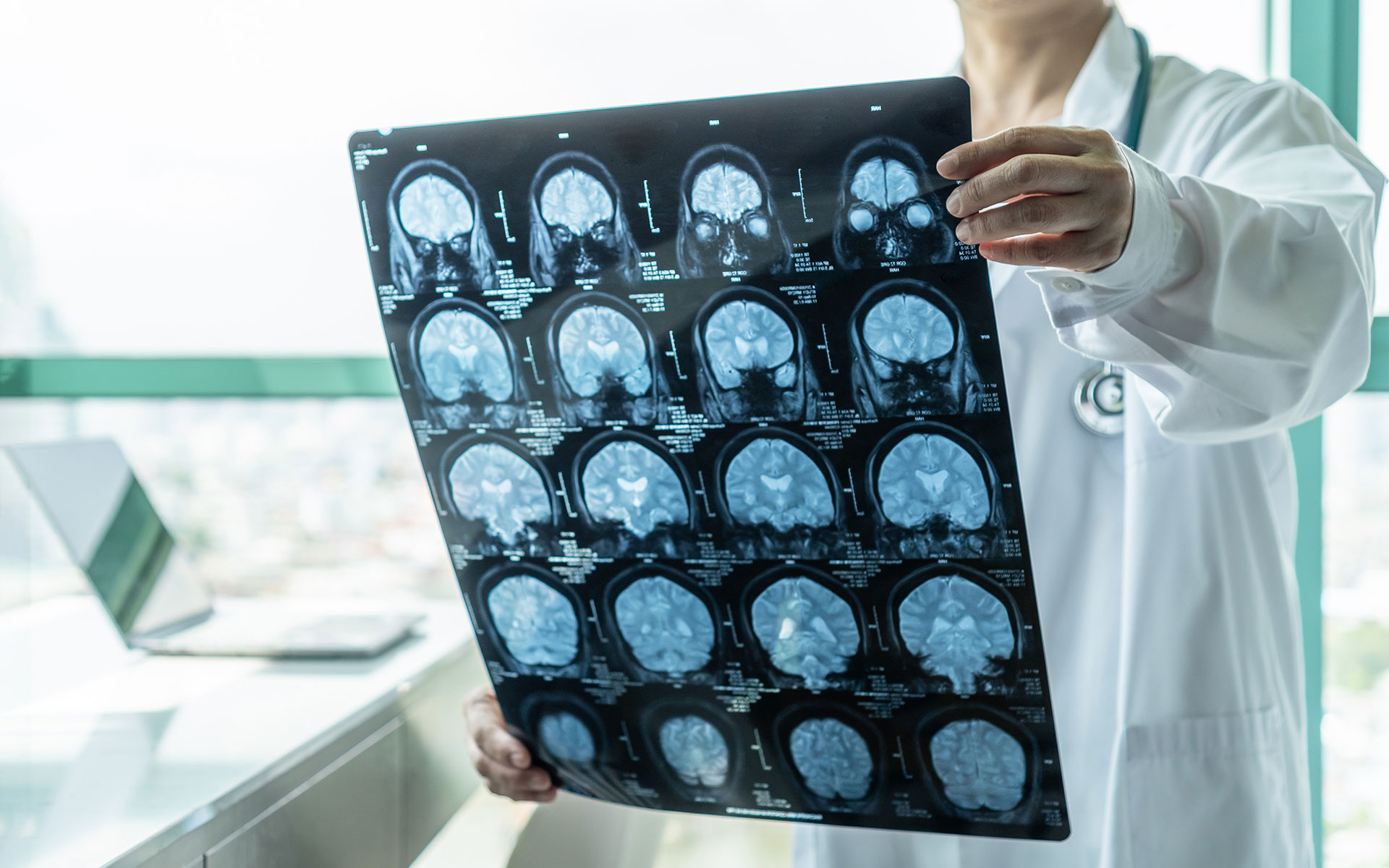
Alzheimer’s disease is a progressive neurological disorder and the most common cause of dementia. It affects memory, thinking, and behavior, gradually interfering with daily tasks and independence. The condition is characterized by abnormal protein deposits in the brain, which disrupt communication between brain cells. While there’s no cure, early diagnosis and treatment can help manage symptoms and improve quality of life.
Learn More about Alzheimer’s Disease
Vascular dementia is the second most common form of dementia, caused by reduced blood flow to the brain. This can result from a stroke, small vessel disease, or other conditions affecting the vascular system. The symptoms can vary widely depending on the location and severity of brain damage, but they often include problems with thinking, memory, and movement. While there’s no cure, managing the underlying conditions can help slow progression and improve quality of life.
Learn More about Vascular Dementia
Dementia is a general term for a decline in mental ability that interferes with daily life. It’s not a single disease but a group of symptoms affecting memory, thinking, and social skills. Alzheimer’s disease is the most common cause, but other types include vascular dementia, Lewy body dementia, and frontotemporal dementia. While it’s more common in older adults, dementia is not a normal part of aging. Early detection and care can make a significant difference in quality of life.
Learn More about Dementia